Art & Installations
Some things can't be argued into existence, they have to be felt. My art and installations create spaces where economic and social structures become visible, physical and open to doubt.
Selected Exhibitions
exhibitions
REACT - REMOVE profit chronogram Anon, Malmö, 2023
In:tangible Form Design Center, Malmö, 2023
Land Anon, Malmö, 2023
The neighbourhood Oslo Architecture Triennale, 2022
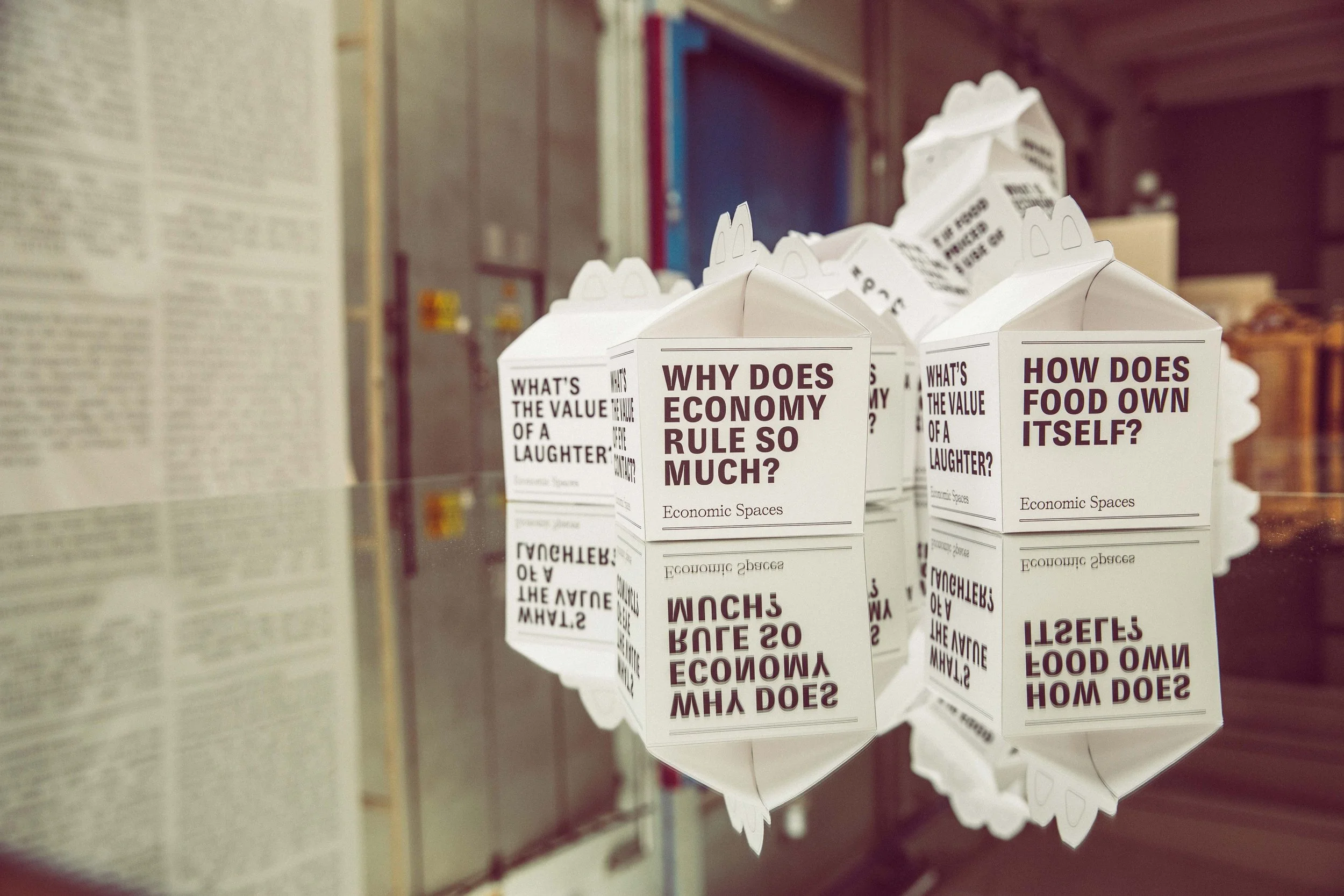
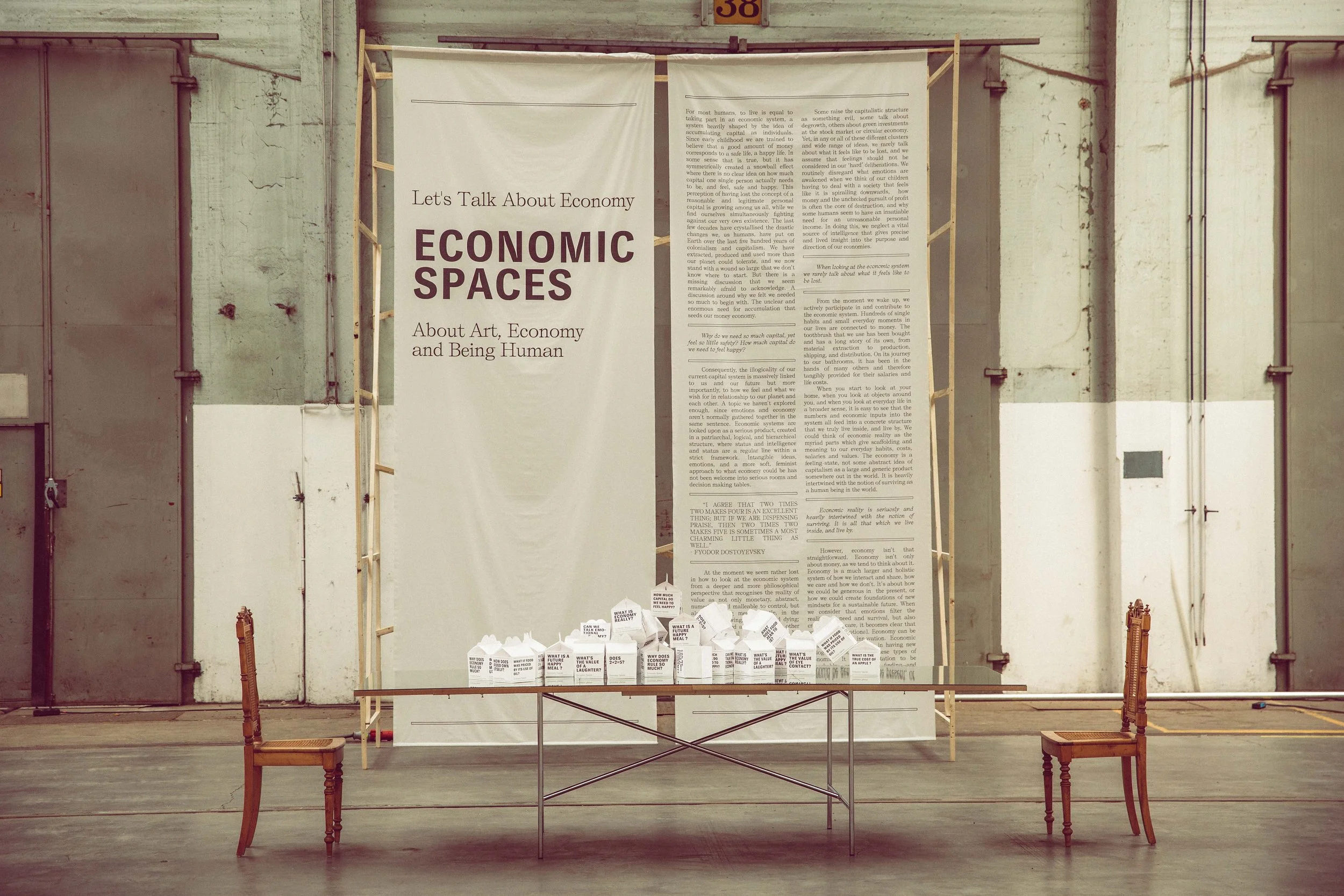
Economic Spaces Southern Sweden Design Days, 2022
Abody Abode Kjellander Sjöberg, 2020
Women Council, Digital artwork, 2024
The Profit Chronogram, 2023
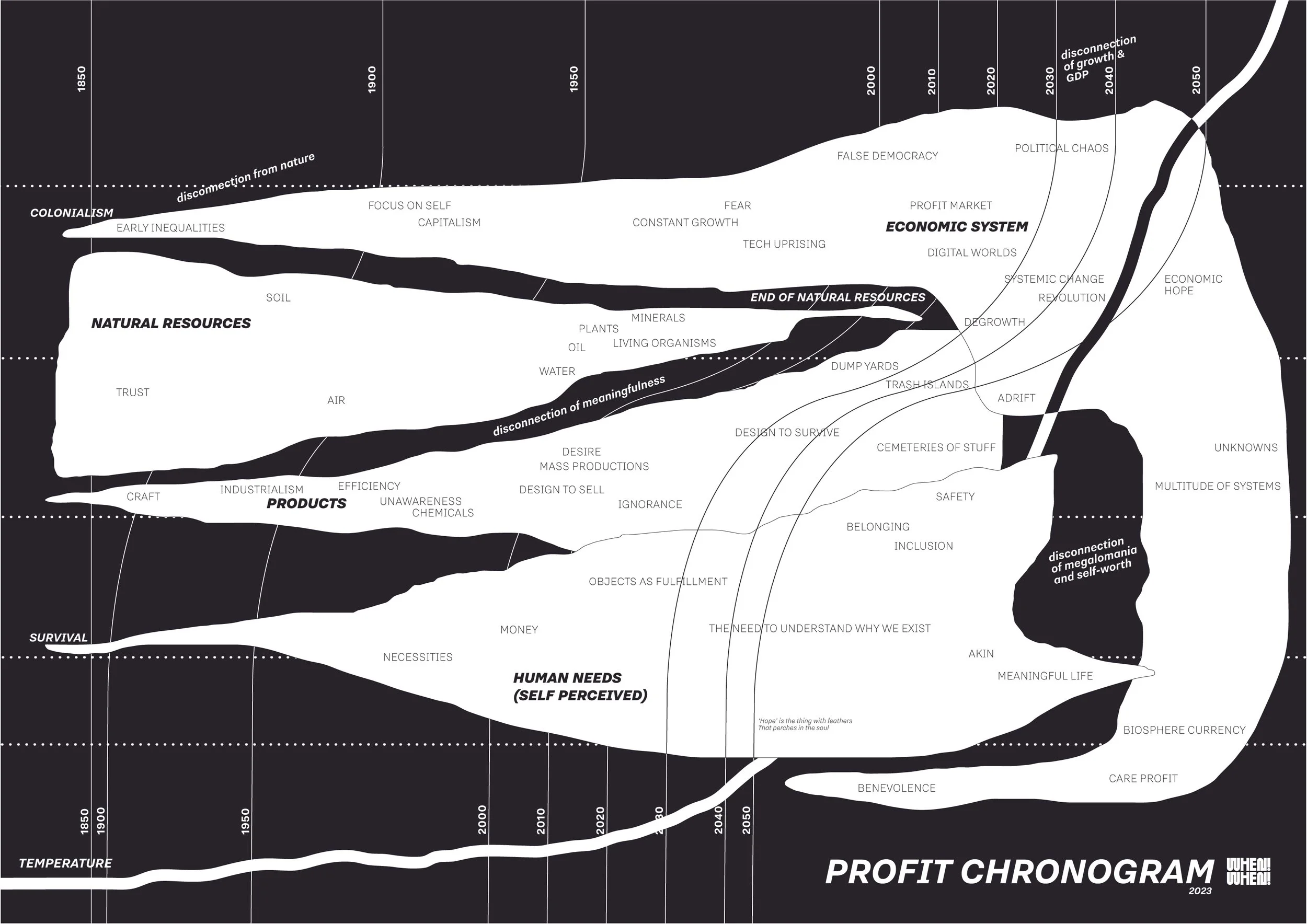
The view of progress over time can look different from where you’re standing and what you need to see.
The Profit Chronogram is a study of profit, products and design through a brief moment in time. It follows facts but similarly explores possibilities for the future.
Abody Abode, 2023
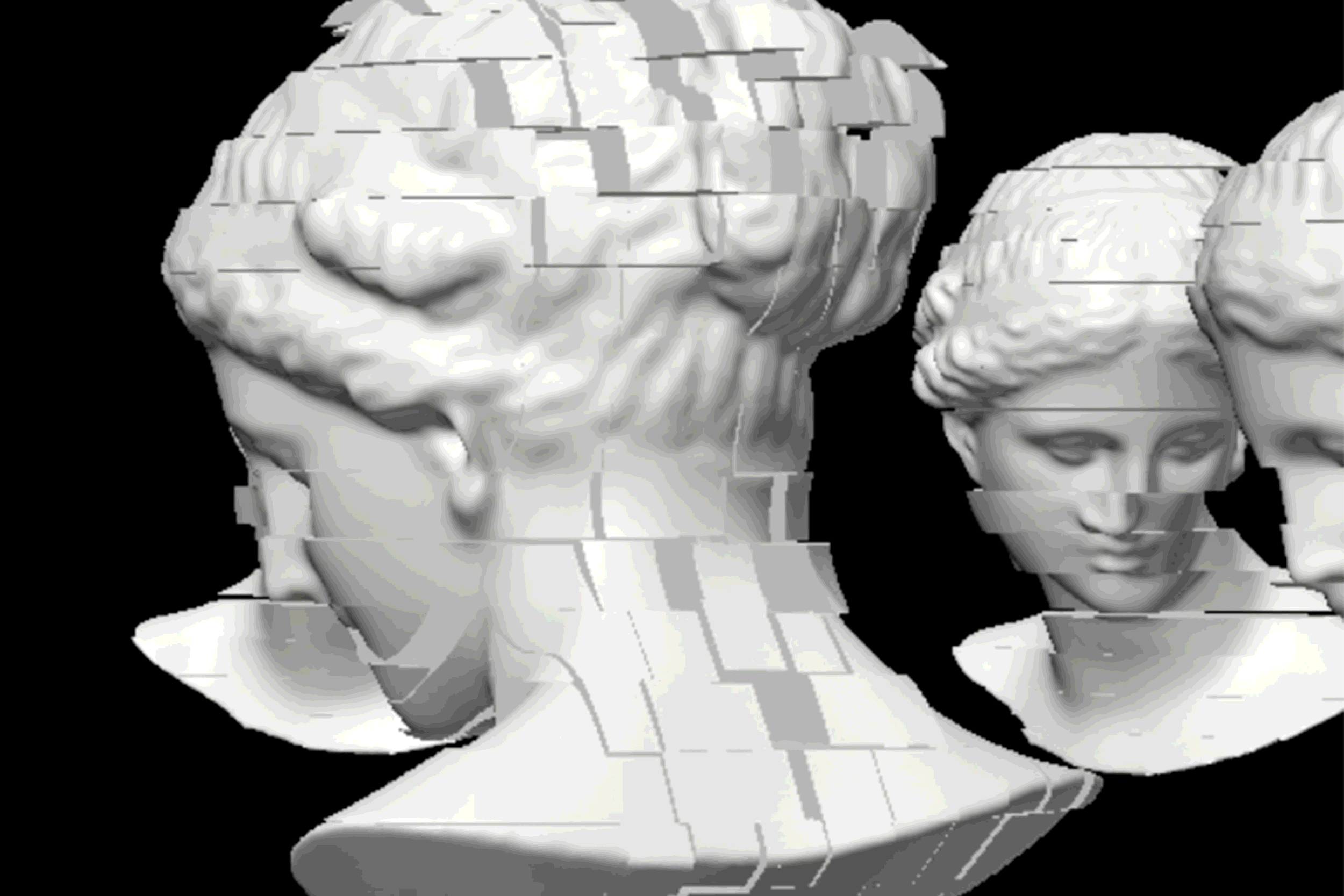
The Women Council began with a question: what would it look like if the values that have always been left out of governance — care, collective wisdom, generational thinking, the knowledge of women — were not supplementary to political power, but its very structure?
The work takes the form of a speculative digital council, organised into twelve ministry departments: Systems & Futures, Finance, Collective Health & Care, Planetary Boundaries, Time & Generational Travelers, and others. Each ministry holds a domain that conventional governance either mishandles or ignores entirely. Together they describe a different kind of institution — one that doesn't seek to replace existing structures but to move alongside them, offering an alternative logic.
The Women Council is not a proposal for what politics should look like. It is an artwork that makes a different world imaginable by giving it form, language, and structure. The ministries are real enough to inhabit, speculative enough to question. That tension is deliberate.
At its core the work is about time — the continuity between the women who came before us and those who will follow, and the responsibility that continuity places on us now. The struggles of previous generations were never fully resolved; they resurface in new forms, in new arenas, with the same underlying logic. The Women Council positions itself as a bridge across that time: carrying inherited wisdom forward, and planting something for those who come after.
In 2025 the work extended into a participatory phase, inviting citizens, organisations, and companies to collectively explore what a new council might actually look like in practice.
Created in collaboration with CGI studio Wall & Messeri, art director Ian Bennett and web developer Olle Burlin.
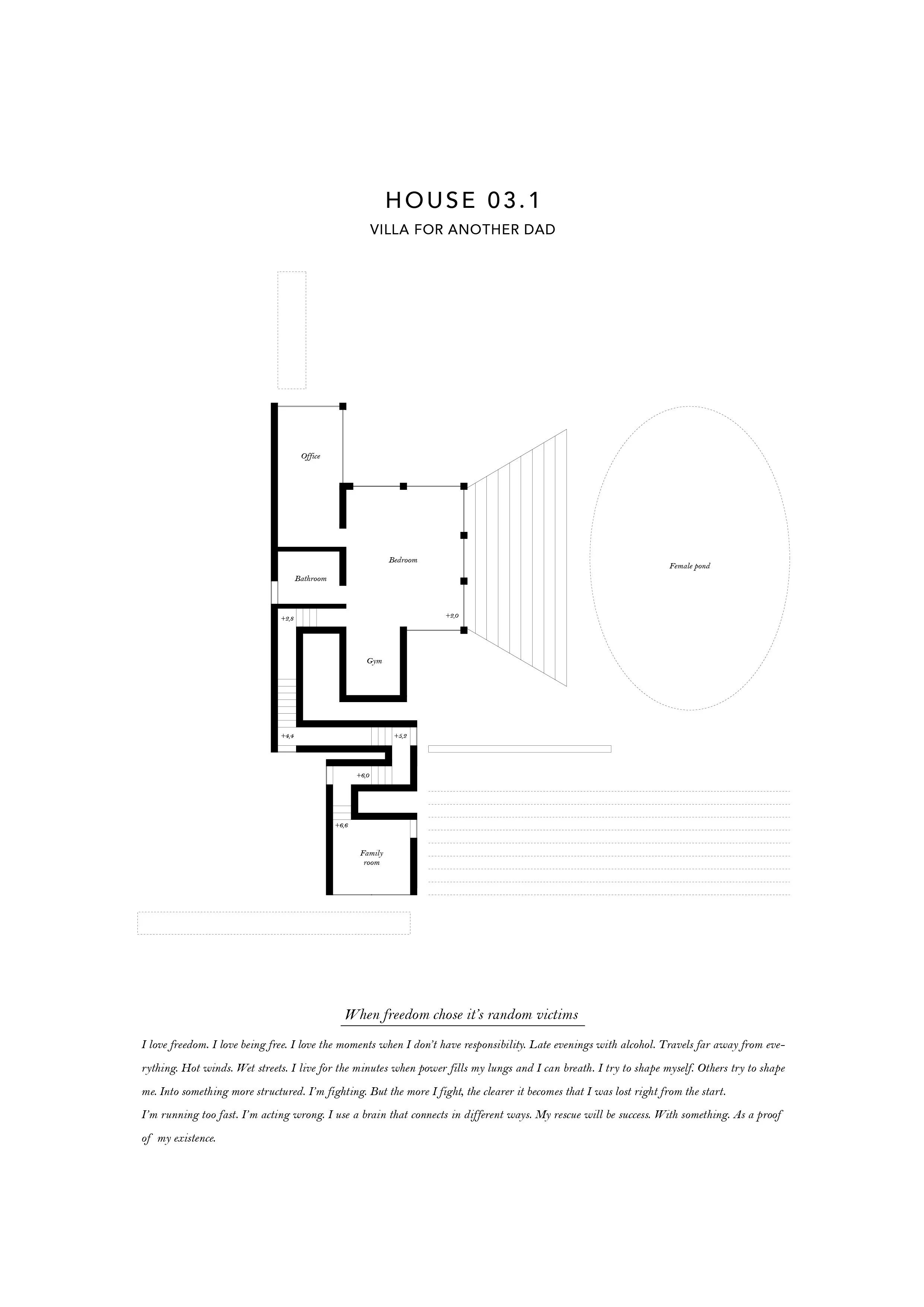
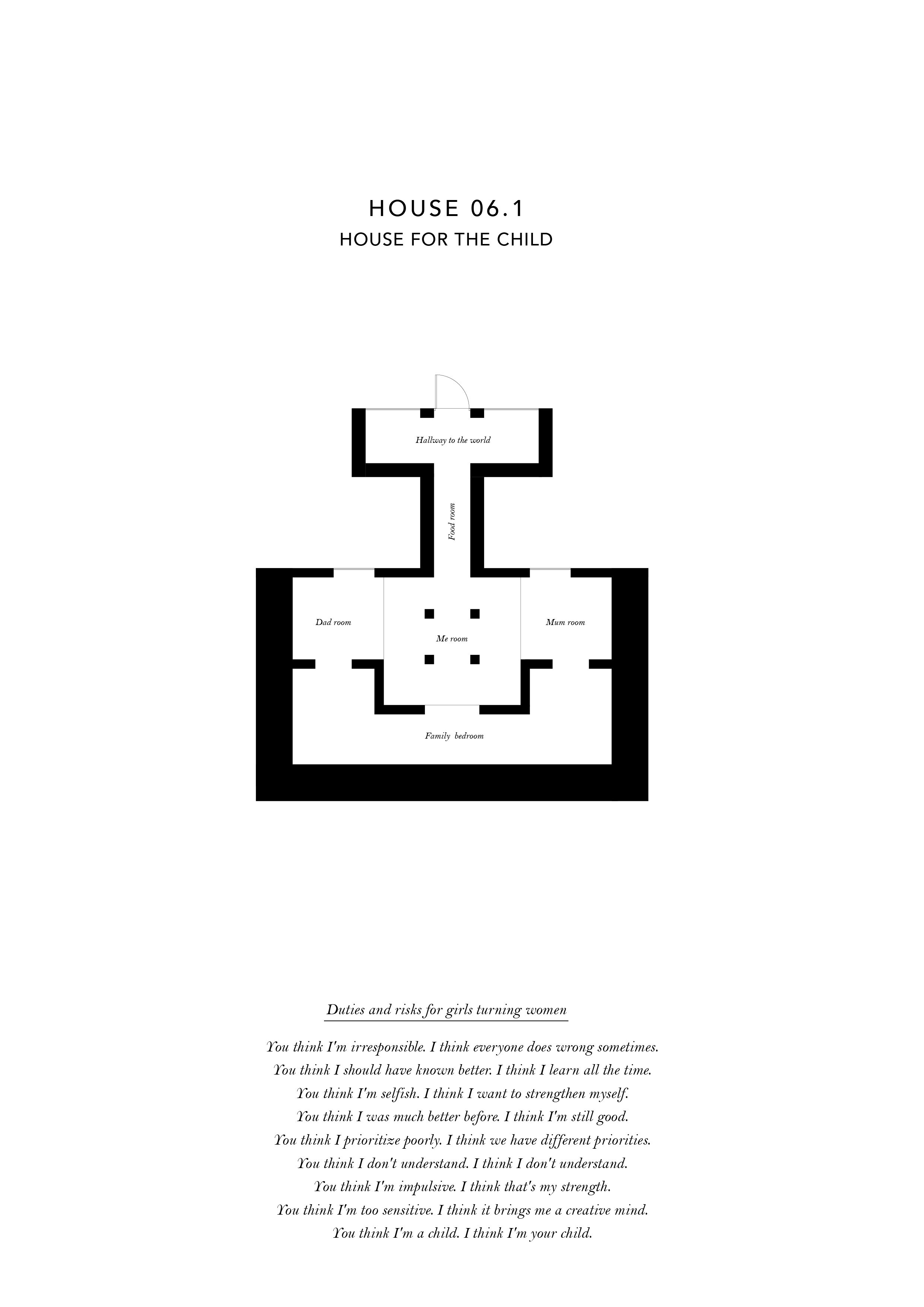
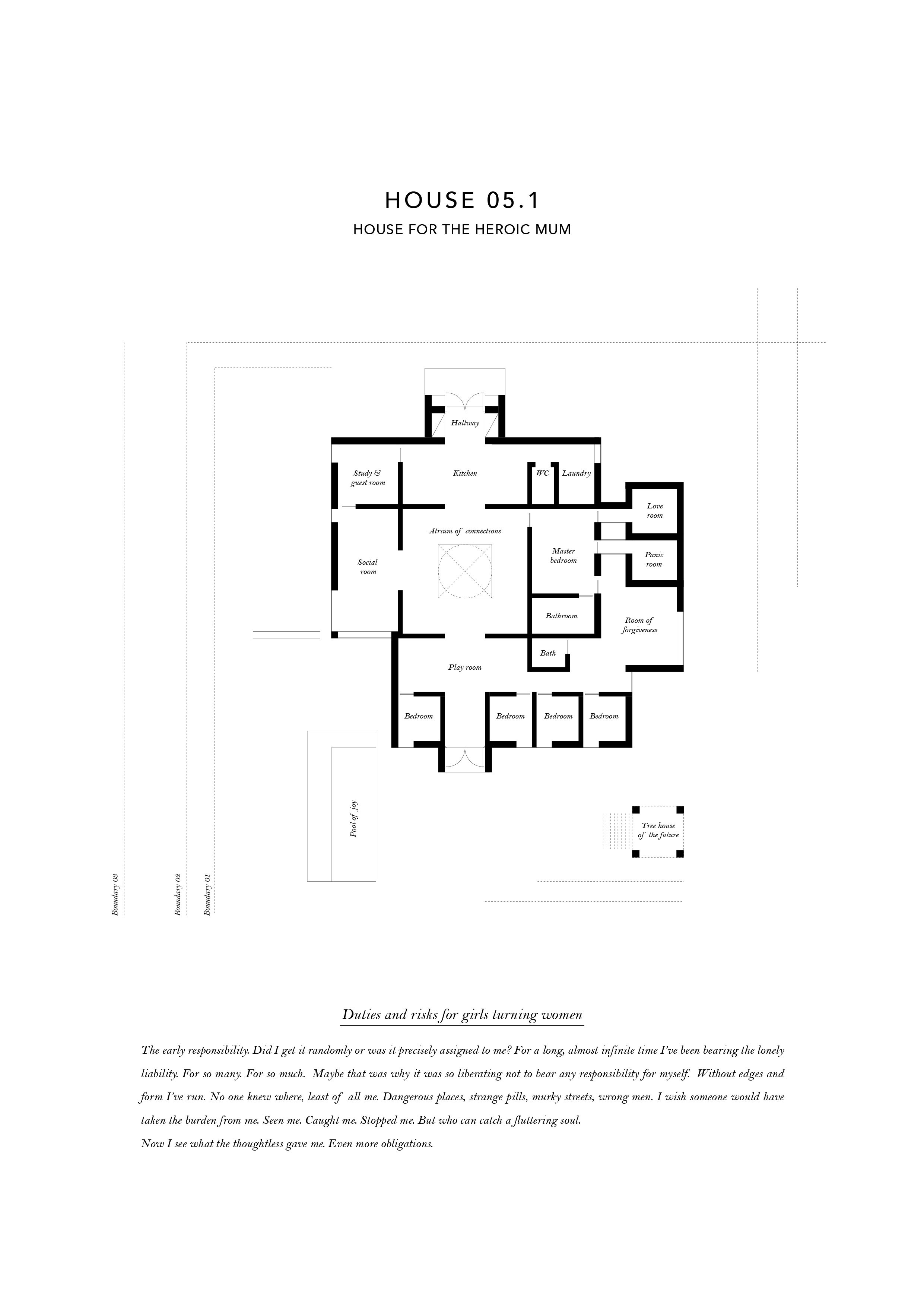
Just like architecture is spatial, there are spaces inside oneself. We construct them, move through them and let them protect us.
Abody Abode is a poignant collection of fragmentary stories and architectural spaces that are both memories of emotions and made-up moments. The outcome is a modest but also rebellious anthology that tells a story of modern womanhood.
The Abody Abode book can be found HERE.
For most humans, to live is equal to taking part in an economic system, a system heavily shaped by the idea of accumulating capital. Since early childhood most are trained to believe that a good amount of money corresponds to a safe life, a happy life. In some sense that is true, but it has symmetrically created a snowball effect where there is no clear idea on how much capital one single person actually needs to be, and feel, safe and happy. This perception of having lost the concept of a reasonable and legitimate personal capital seems to be growing among us, while we find ourselves simultaneously fighting against our very own existence. The last few decades have crystallised the drastic changes we, us humans, have put on Earth over the last five hundred years of colonialism and capitalism. We have extracted, produced and used more than our planet could tolerate, and we now stand with a wound so large that we don’t know where to start. But there is a missing discussion that we seem remarkably afraid to acknowledge . A discussion around why we felt we needed so much to begin with. The unclear and enormous need for accumulation that seeds our money economy.
Economic Spaces is a project by Jenny Grettve for Dark Matter Labs and an invitation to deeply discuss economy from a humanistic point of view through art installations.
Economy is something most of us are taught to accept rather than examine. It sits at the centre of almost everything — how cities are built, how care is valued, who has power and who doesn't — and yet we rarely allow ourselves to dissect it, turn it over, hold it up to the light. These two works begin from that refusal, and try to do something about it.
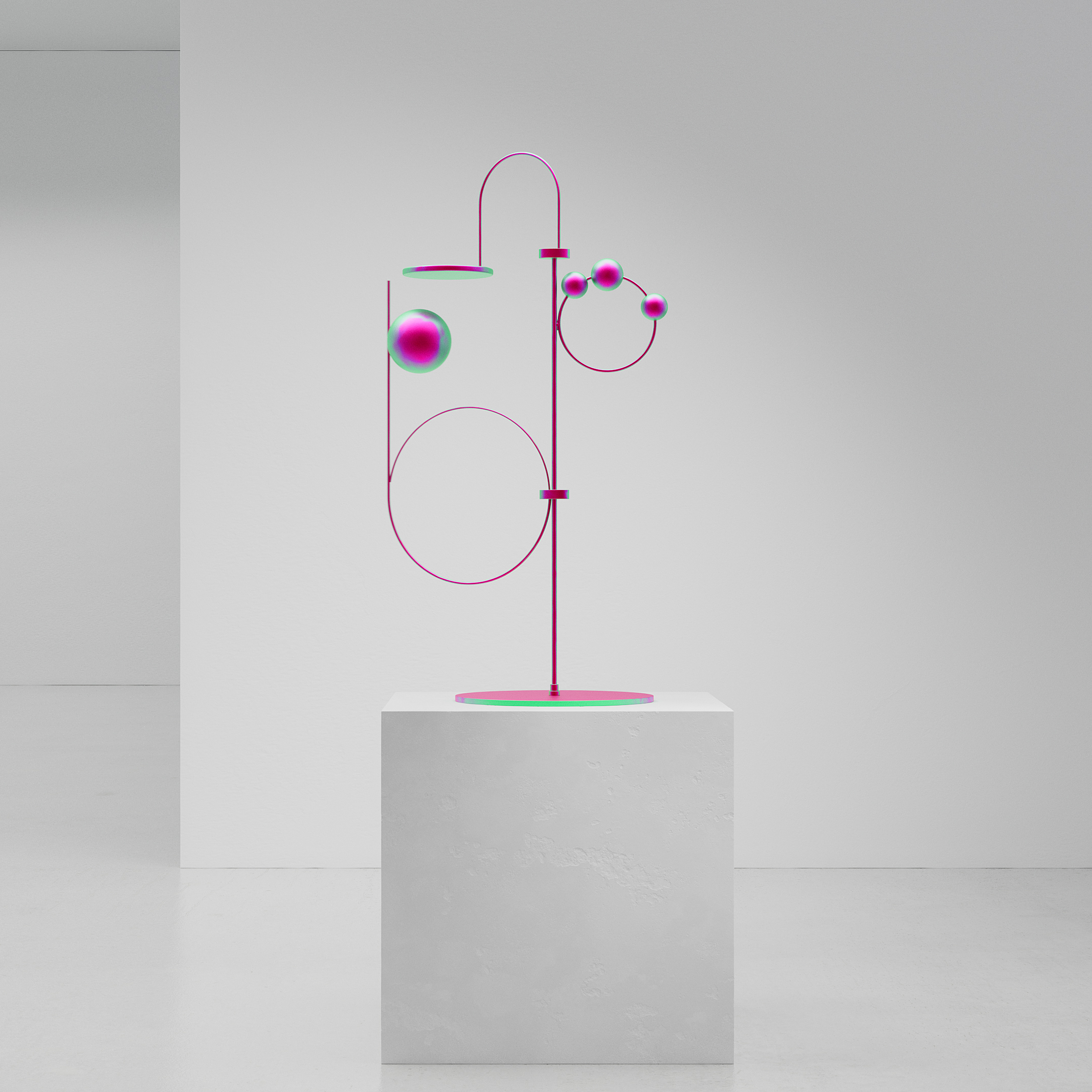
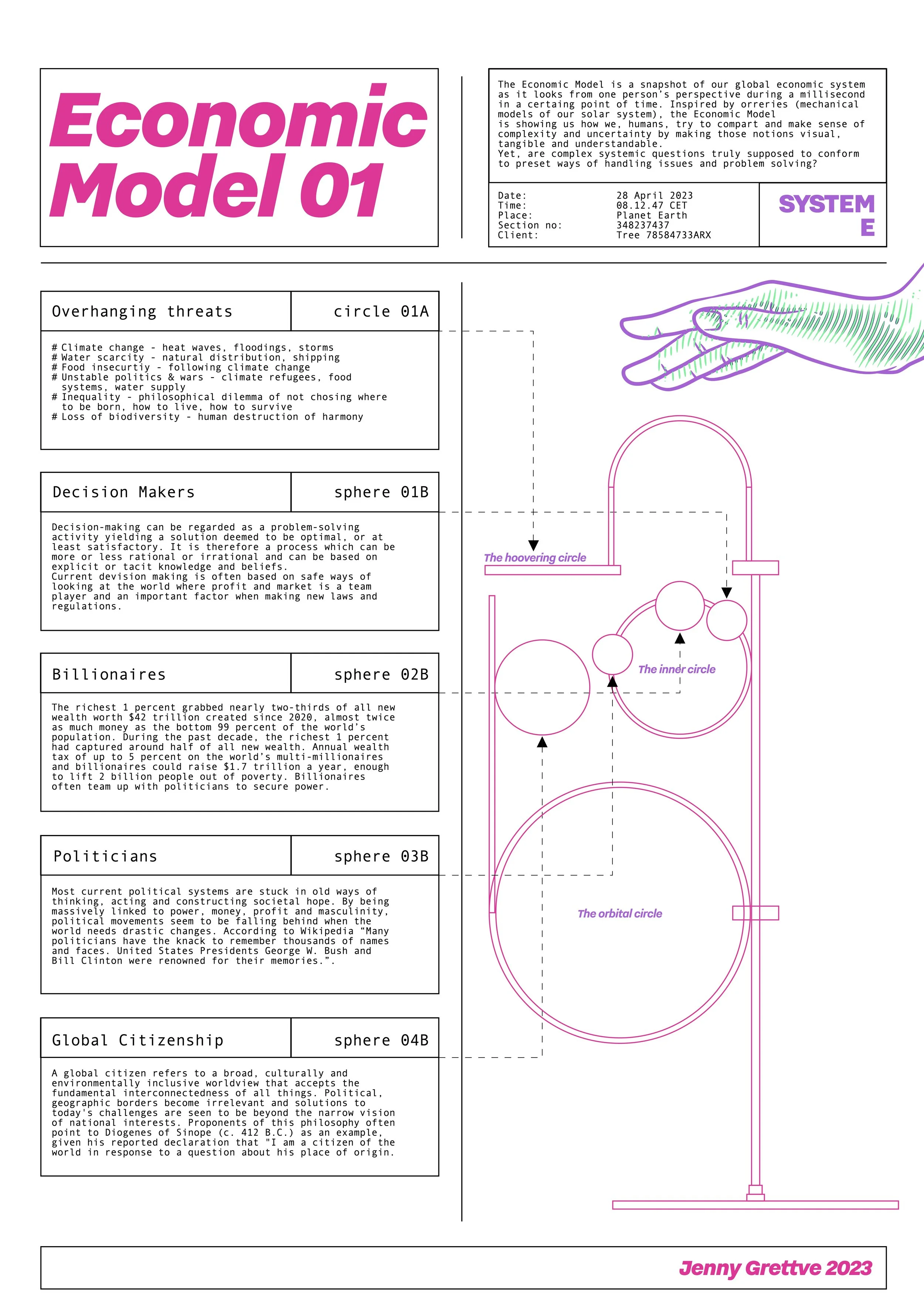
An Economic Model gives the economy a physical form. Inspired by orreries — the mechanical models humans have built to represent the solar system, to make the incomprehensible orderly and graspable — the sculpture offers one person's snapshot of the relationship between humans, governance, and monetary systems, captured at a specific moment in time. It is not a complete picture. No such picture exists. It is a glimpse, deliberately partial, made physical so that it can be stood next to, walked around, questioned.
Please Don't Touch the Model continues from there. The title carries the instruction we are given about existing economic structures — don't interfere, don't disturb, don't imagine it differently. The work refuses that instruction. It asks what happens when we do touch it: when we stop treating the economy as a fixed reality and start treating it as what it actually is — a model, built by people, at a particular moment, serving particular interests.
Video: Oscar Cravalli and Ian Bennett.